Introduction
Life insurance is a critical financial product that can protect your family’s future in case something unexpected happens to you. With the wide variety of life insurance policies available, choosing the best one for your needs can seem overwhelming. Understanding the different types of policies, their benefits, and how they align with your financial goals is essential to making an informed decision. In this article, we will guide you through the process of selecting the best life insurance policy for you and your loved ones.
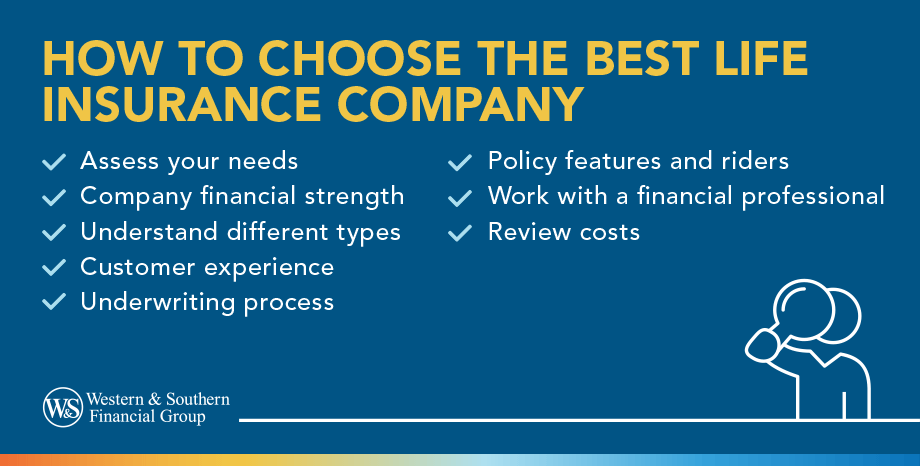
1. Understand the Different Types of Life Insurance Policies
Before selecting a life insurance policy, it’s important to understand the different types of life insurance that exist. The two most common types are Term Life Insurance and Permanent Life Insurance.
- Term Life Insurance:
- Duration: This policy covers you for a specific period, such as 10, 20, or 30 years.
- Cost: Term life is generally more affordable because it offers coverage for a limited time and does not accumulate cash value.
- Payout: If the policyholder dies during the term, the beneficiaries receive the payout. If the policyholder survives the term, there is no payout.
- Best For: Individuals who need coverage for a specific period (e.g., until children are financially independent or until a mortgage is paid off).
- Permanent Life Insurance:
- Duration: This type of policy covers you for life.
- Cost: Permanent life insurance is more expensive than term life because it accumulates cash value over time.
- Payout: It offers lifelong coverage and a death benefit to the beneficiaries upon the policyholder’s death.
- Best For: Individuals who want lifelong coverage and are looking for a policy that builds cash value.
Pro Tip: If you are looking for affordable coverage for a specific period, term life insurance may be your best option. For lifelong coverage and an investment component, consider permanent life insurance.
2. Assess Your Coverage Needs
The next step in choosing the right life insurance policy is determining how much coverage you need. Your coverage amount should be sufficient to replace your income, pay off debts, and cover your family’s living expenses in the event of your death.
- Income Replacement: A general rule of thumb is to choose a coverage amount that is 10 to 15 times your annual income. This will ensure your family is financially stable without you.
- Debt and Financial Obligations: Consider any existing debts, such as mortgages, car loans, or student loans. Make sure the life insurance payout would be enough to cover these.
- Dependents: If you have children or dependents, factor in their long-term financial needs, including education costs and healthcare.
Pro Tip: Use an online life insurance calculator to determine how much coverage you need based on your financial situation.
3. Compare Premiums
Premiums are the amount you pay for your life insurance policy, typically on a monthly or annual basis. When choosing a policy, it’s important to compare premiums from different insurance providers.
- Cost of Premiums: Term life insurance typically offers lower premiums than permanent life insurance. However, the premiums for permanent life policies are higher because they offer lifelong coverage and build cash value.
- Premium Increases: Some life insurance policies have premiums that increase over time. Make sure to understand the premium structure before committing.
- Customization: Some insurers offer the ability to adjust your premiums or add riders (additional features) to your policy for more flexibility.
Pro Tip: While it’s important to consider premiums, don’t choose a policy solely based on cost. You should also take the benefits, coverage amount, and customer service into account.
4. Check the Insurer’s Financial Strength
Choosing a reliable insurance provider is crucial because you want to ensure that your insurer will be able to pay out the death benefit when the time comes. Research the financial strength of the insurer by checking their ratings from independent rating agencies.
- Rating Agencies: Agencies such as A.M. Best, Fitch, and Standard & Poor’s provide financial ratings for insurance companies. Look for an insurer with a high rating, indicating that they are financially stable and able to meet their obligations.
- Claims Process: A reliable insurance company will have a straightforward and hassle-free claims process. Look for customer reviews and testimonials to gauge the ease of filing claims.
Pro Tip: Don’t just look at price when choosing an insurance provider. Research the company’s reputation, financial strength, and claims process to ensure that your family will receive the payout when needed.
5. Consider Riders and Additional Features
Many life insurance policies offer riders, which are additional benefits or options that can be added to your policy for an extra cost. Riders allow you to customize your coverage based on your unique needs.
- Accidental Death Benefit: This rider provides an additional payout if the policyholder dies due to an accident.
- Critical Illness Rider: This offers a lump-sum payment if the policyholder is diagnosed with a life-threatening illness such as cancer, heart attack, or stroke.
- Waiver of Premium Rider: If you become disabled and are unable to work, this rider waives your premium payments while keeping your coverage intact.
Pro Tip: Riders can enhance your policy, but be sure to understand the cost and benefits of each rider before adding them to your policy.
6. Review the Policy Terms and Conditions
Before finalizing your life insurance policy, it’s essential to thoroughly review the policy terms and conditions. Make sure you understand the exclusions, limitations, and any additional fees that may apply.
- Policy Exclusions: Some policies exclude coverage for specific events, such as suicide within the first two years of the policy.
- Renewal and Conversion Options: If you are purchasing a term life insurance policy, check if there’s an option to convert it to permanent coverage when the term expires.
- Flexibility: Some policies allow you to adjust the coverage amount or premium payments over time, which can be beneficial as your financial needs change.
Pro Tip: Take your time to read through the policy’s fine print. Understand any exclusions, limitations, and how the policy works to avoid surprises later.
Conclusion
Choosing the best life insurance policy requires careful consideration of your financial goals, family needs, and budget. By understanding the different types of policies, assessing your coverage requirements, comparing premiums, and choosing a reputable insurer, you can ensure that you have the right coverage for your family’s future. Don’t rush the decision-making process, and be sure to review the terms and conditions carefully before committing to any policy.
Take the time to compare your options, and you’ll be able to choose a life insurance policy that provides the protection and peace of mind you need.